Vision Mātauranga
In the TAIAO data science platform, our goal is to shape it from a Māori perspective, emphasising tikanga and kawa. We aim to create a platform that uplifts Mātauranga Māori, supports Māori individuals, and harnesses resources, all while diligently safeguarding Māori data sovereignty and recognising its implications for mana whenua, hapū, and iwi
We maintain strong collaborations with Tikanga in Technology and the Te Kotahi Research Institute. The consistent dialogue and shared visions of these organisations provide a solid foundation for transforming how Māori communities interact with AI. This relationship helps optimise benefits for iwi and other groups, always with an awareness of the guardianship of Indigenous data, ensuring its secure, appropriately labelled, and practical use.
We collaborated with the Waikato River Authority, a partnership between River Iwi and the Crown, to undertake research on algal blooms in the Waikato River. Algal blooms directly affect River Iwi, restricting the traditional use of their ancestral river. Public health warnings prevent the collection of tuna for hui and have recently disrupted waka ama and dragon boat training for world championships. Guided by the Vision and Strategy and the Waikato River Report Card, this research applies AI logics and modelling to freshwater monitoring in the Waikato Catchment. By drawing on Waikato Regional Council monitoring data, the project aims to support River Iwi, the Waikato River Authority, and the Waikato Regional Council in reducing harmful algal blooms and restoring the health and wellbeing of the Waikato River.
TAIAO also continues its collaboration with Sanctuary Mountain Maungatautari, co-developing capabilities in predator detection, population health monitoring, and fence intrusion monitoring. These advances strengthen the conservation efforts of rangers and contribute to the long-term protection of the maunga and its taonga species.
Networking & Events
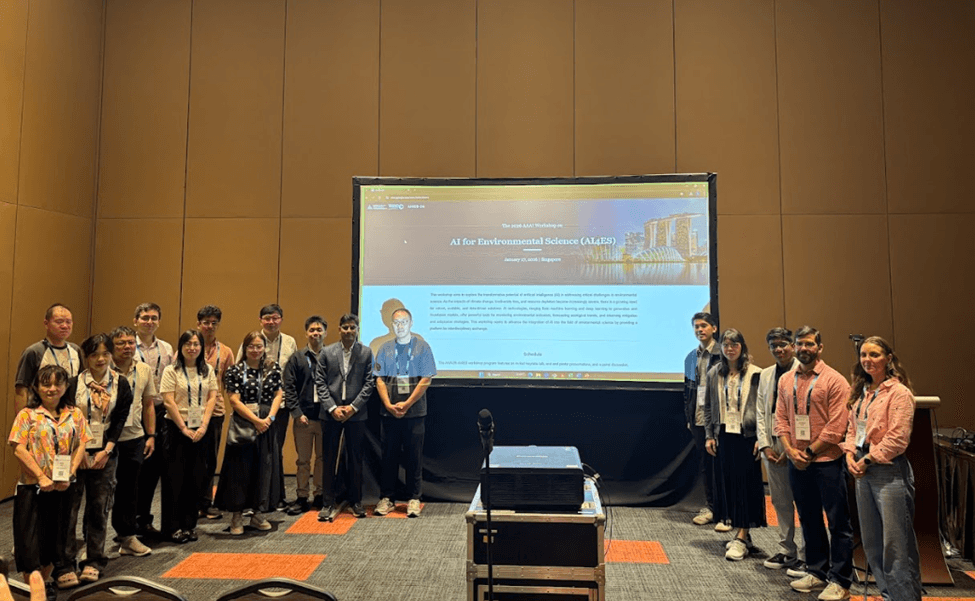
We actively supported several exciting networking and conference initiatives in 2025. We also continue to support Indigidata Aotearoa, an initiative focused on developing an understanding of Indigenous data science and sovereignty, specifically tailored for Māori participants.
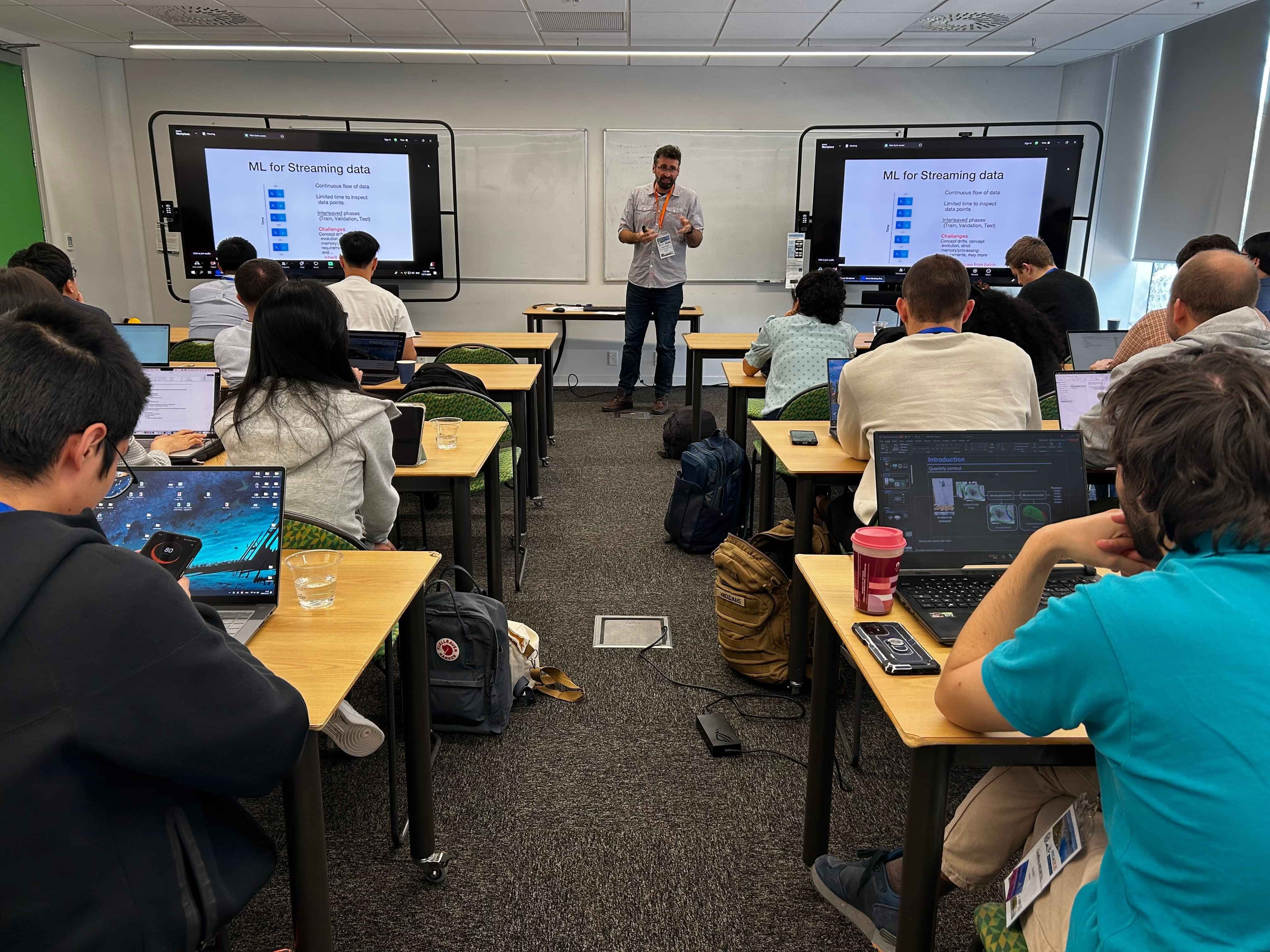
We were proud to continue supporting the AI Hackathon Festival for another year and hosted the hackathon event for the Waikato regions. The Hackathon event brought together likeminded thinkers to build skills, connect with others, make an impact, and meet inspiring mentors over a 48-hour period. It was well attended and resulted in some interesting and informative discussions. The team also provided tutorials and workshop on python and machine learning algorithms as part of capability development for the hackathon.
Collaborations
The TAIAO team were able to collaborate and partner with other organisations during the year that brought complementary resources to the programme and built a connected, high-performing research team.
In 2025, we formed two significant international partnerships and collaborations. First, we established a new collaboration with Vytautas Magnus University in Lithuania. Secondly, we also developed a partnership with AI researchers in Europe which was launched through the Bridging Horizons event at École Polytechnique’s LIX Laboratory. This event brough together researchers from across New Zealand and Europe to discuss and share about advance data-driven sustainability, agricultural innovation, and environmental monitoring. From this event, we were also proud to have launched the TAIAO AI Research Network which will be an international community of researchers focused on advancing AI for environmental science.
More information on this will be coming soon.
Research
In the year 2025, the TAIAO team was able to make alot of progress in the area of research including development of CapyMOA, the completion of research by our students, and progress across our three main research aims.
CapyMOA, our open-source machine learning library, gained global recognition and widespread uptake. The library integrates with popular Python data science tools, such as PyTorch and Scikit-learn, enabling seamless use within the broader Python ecosystem. The team has delivered 8 tutorials and workshops on CapyMOA in various key conference locations globally. The project has received 109 stars on GitHub and has been forked 34 times. The team has delivered seven major and two minor releases of CapyMOA, each introducing new functionality.
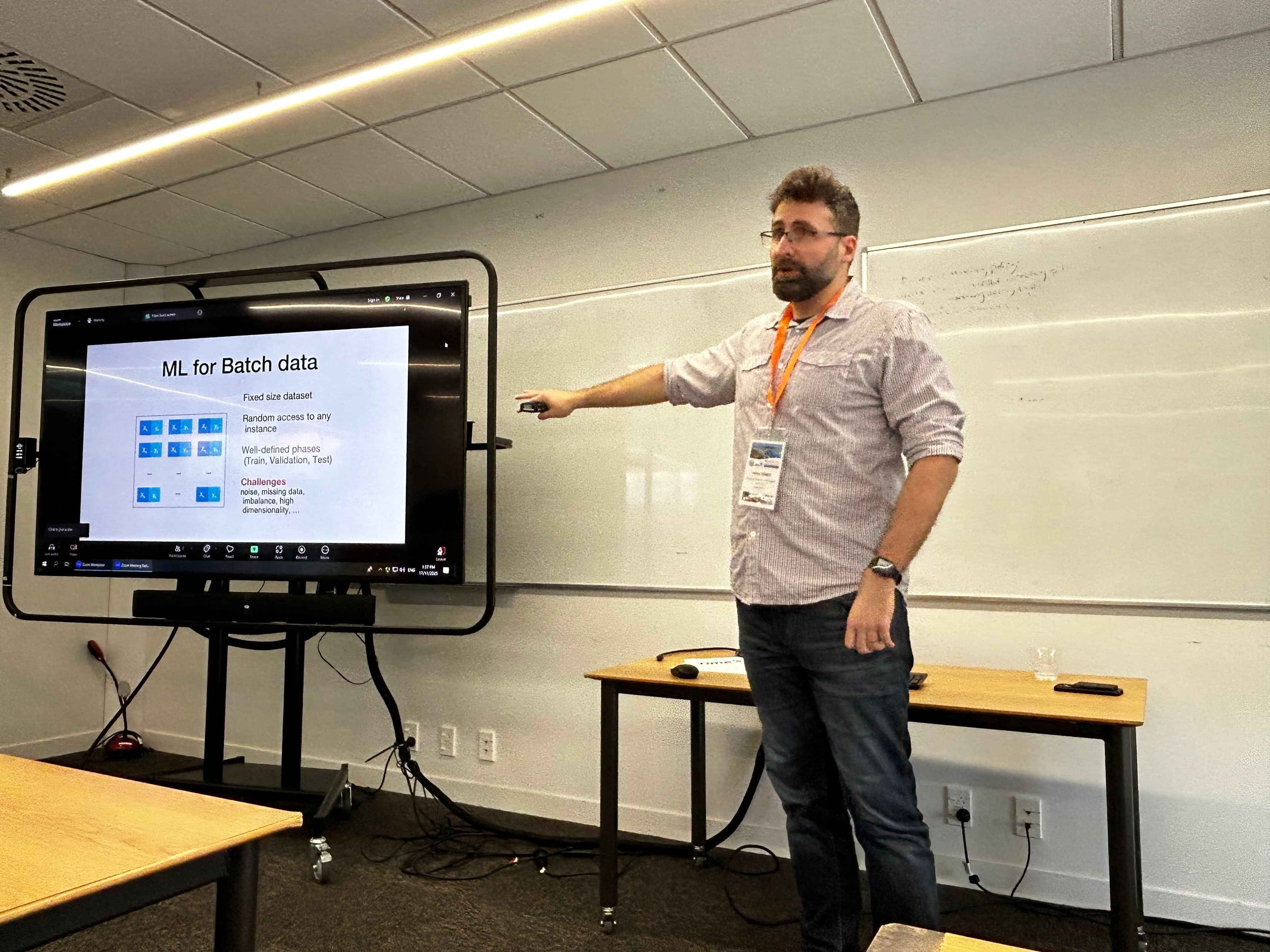
Alongside the successes of CapyMOA, we have also celebrated the completion of several PhDs, contributing new knowledge in areas such as flood prediction, climate anomalies, and water quality monitoring. In addition, we began exploring the potential of quantum machine learning, opening up opportunities for the next generation of environmental data science methods.
Lastly, one of our significant achievements in 2025 for our research teams have been the development of new methods through three main research aims, more information can be found by clicking on the button below.

Case Studies
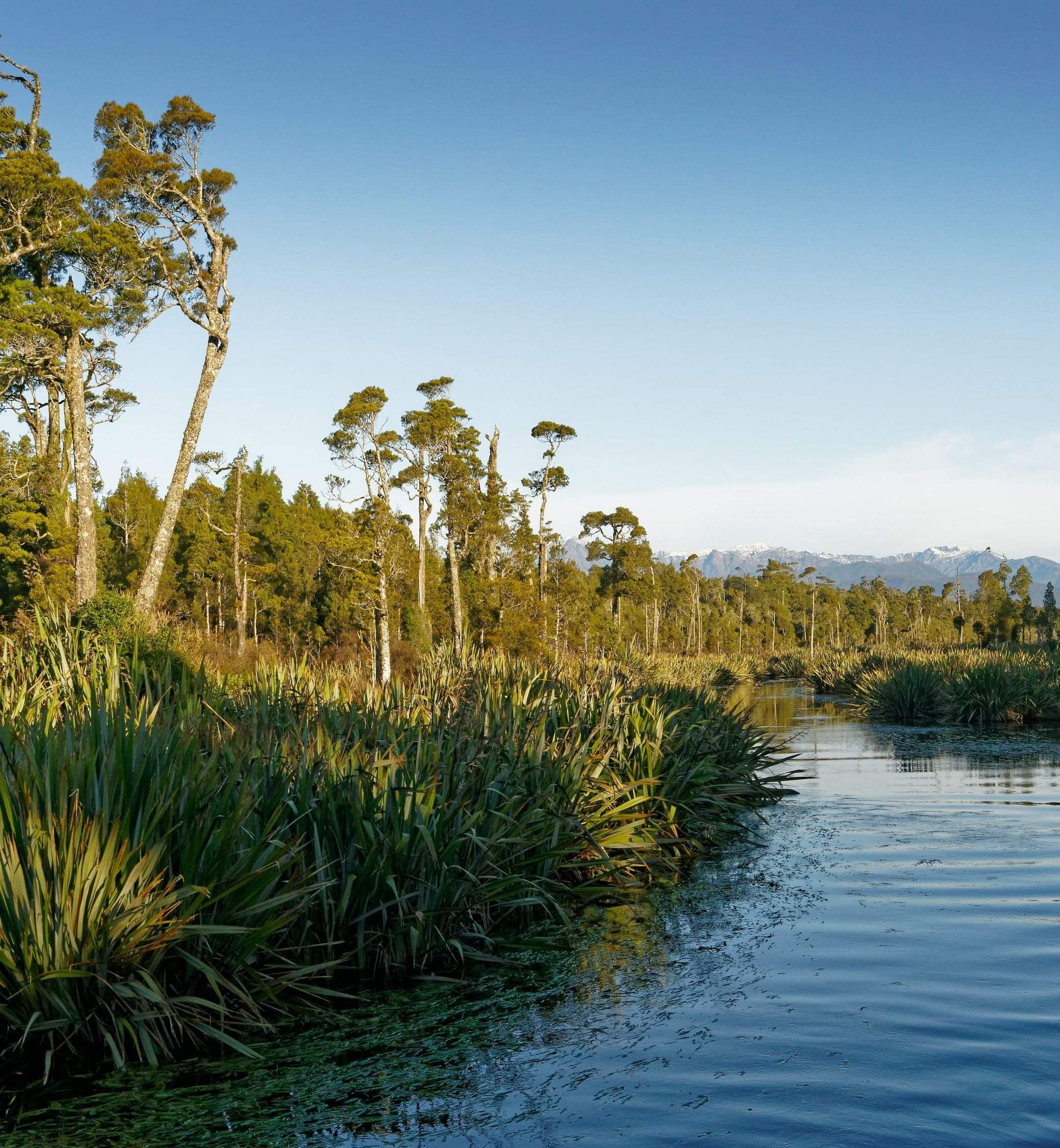
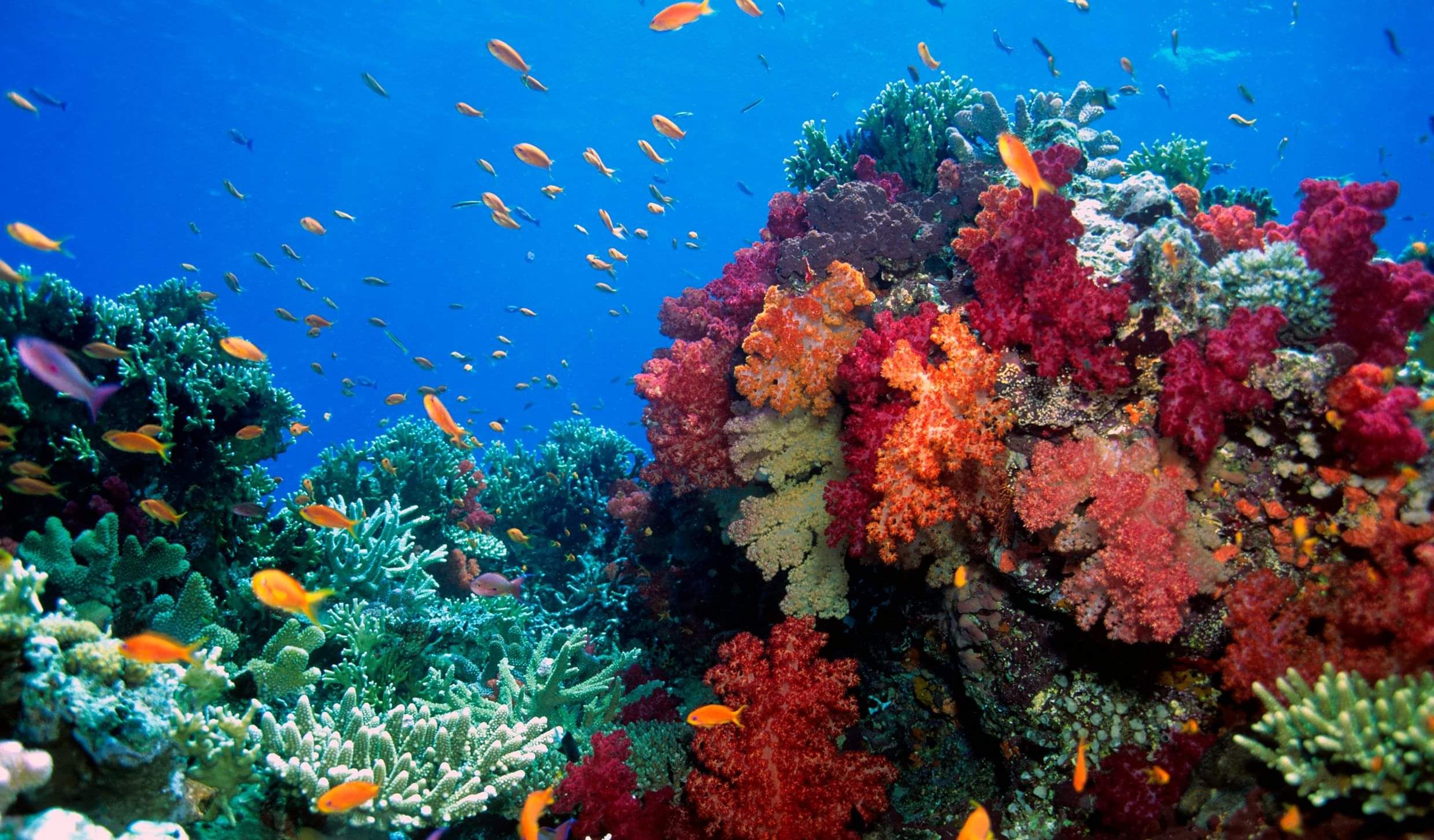
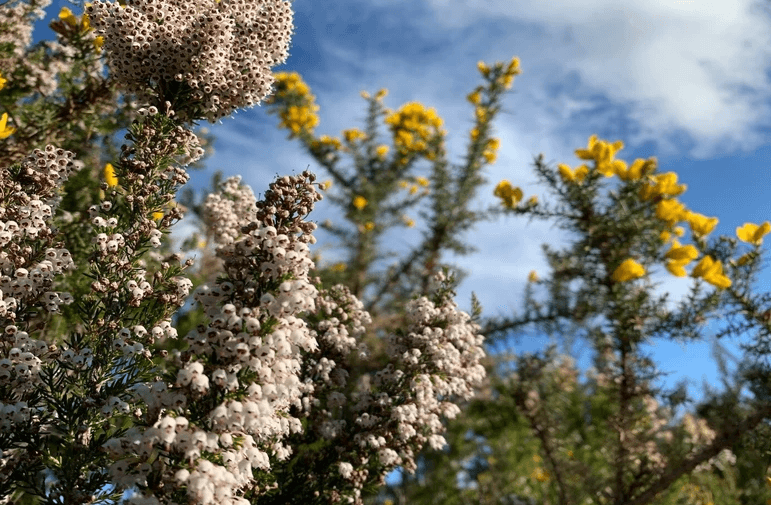
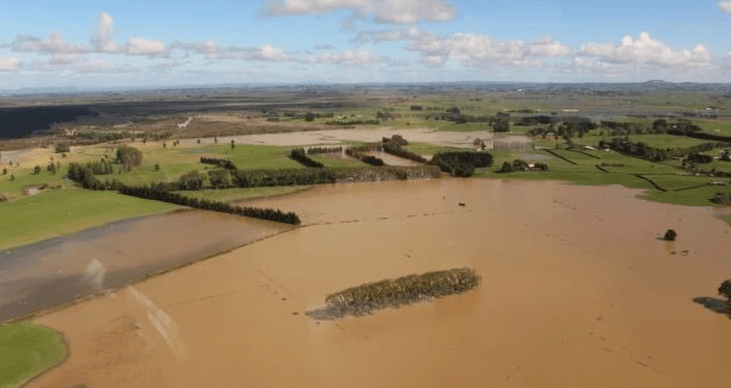
Case studies continued to drive impact, with progress in flood prediction, forest monitoring, under-sea habitat annotation, kiwi conservation, and species classification. These efforts demonstrate our commitment to developing practical, world-leading AI solutions that help address pressing environmental challenges. Some of our ongoing case studies include:
DOC Habitat Annotator
Aotearoa Species Classifier
Flood Prediction Tool
Engagement & Impact
Our focus in 2025 with regards to engagement & impact has been to build a community of highly accomplished innovating environmental scientists working on data science and data scientists working on environmental science challenges, providing robust and fit-for-purpose tools and methods that are accessible and useful to researchers and practitioners in Aotearoa New Zealand. We drew in students with exceptional academic abilities, providing them with a top-notch university journey, and ensuring they emerge as accomplished environmental data scientists.
A range of communications and engagement tactics were used to promote TAIAO including:
Regular e-newsletters with project highlights, team highlights and information on upcoming events
Social media posts sharing information about the project and promoting events
Video interviews with project leads including Heitor Gomes and Nick Lim
Blog posts featuring more in-depth information about case studies
A new website to showcase the mahi involved in TAIAO
400
We currently have 400 registered users on the TAIAO platform, 246 new users joining during this reporting period.
200+
Newsletter subscriptions have increased from 106 to 217 subscribers with an engagement rate of 55.7%.
1,708
On LinkedIn we made 1,708 impressions across 6 posts and gained just over 40 new followers.
Growing our capacity
TAIAO continues to strengthen its research capability through the students supported by the programme. These emerging researchers span multiple academic levels, including Master’s students, PhD candidates, and Postdoctoral Fellows, each contributing valuable expertise to our growing body of work.
Swipe to see a high level overview of the research some of our students have been able to complete in 2025 with support from TAIAO.
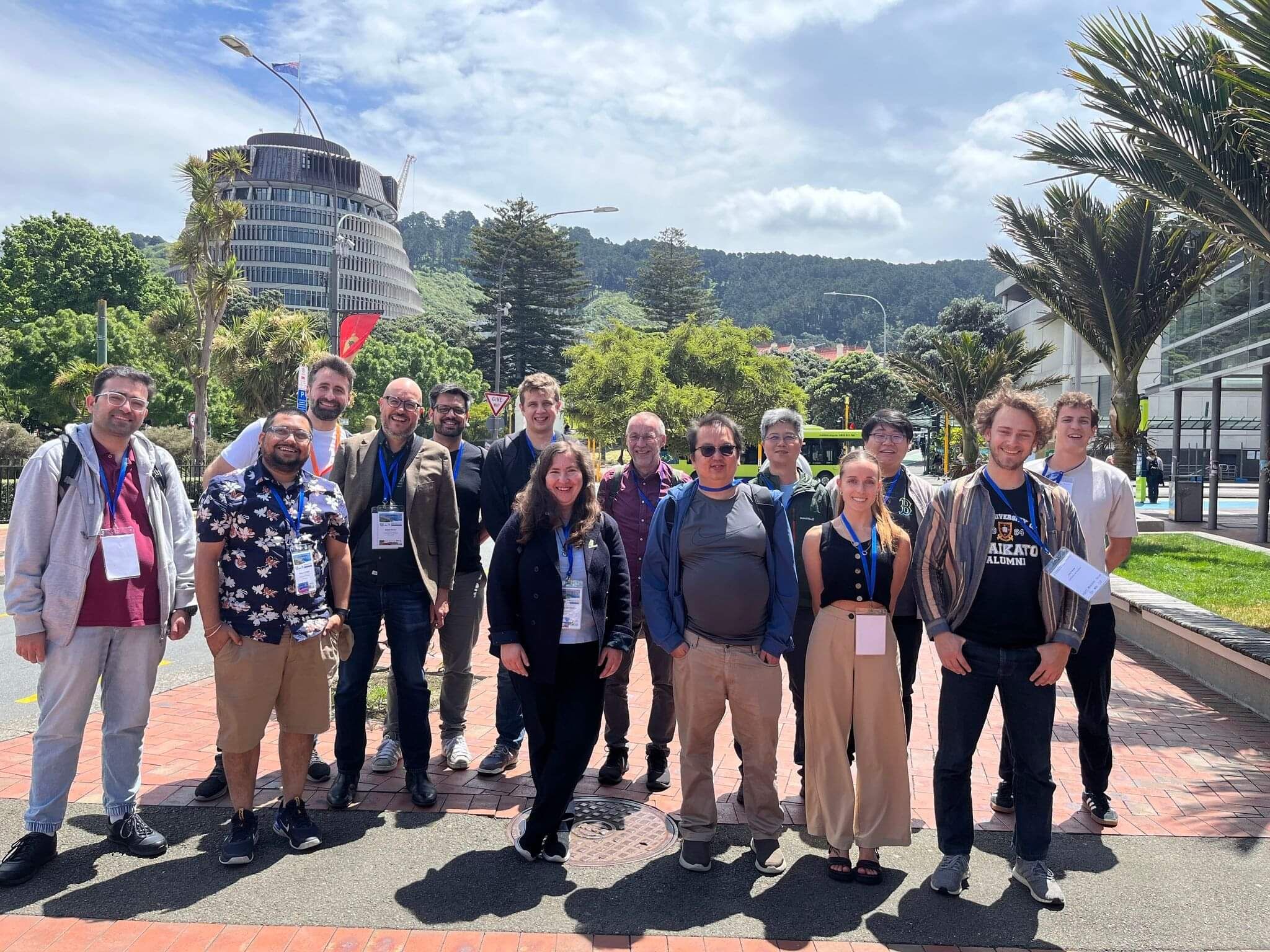
Growing our capacity
TAIAO continues to strengthen its research capability through the students supported by the programme. These emerging researchers span multiple academic levels, including Master’s students, PhD candidates, and Postdoctoral Fellows, each contributing valuable expertise to our growing body of work.
Swipe to see a high level overview of the research some of our students have been able to complete in 2025 with support from TAIAO.
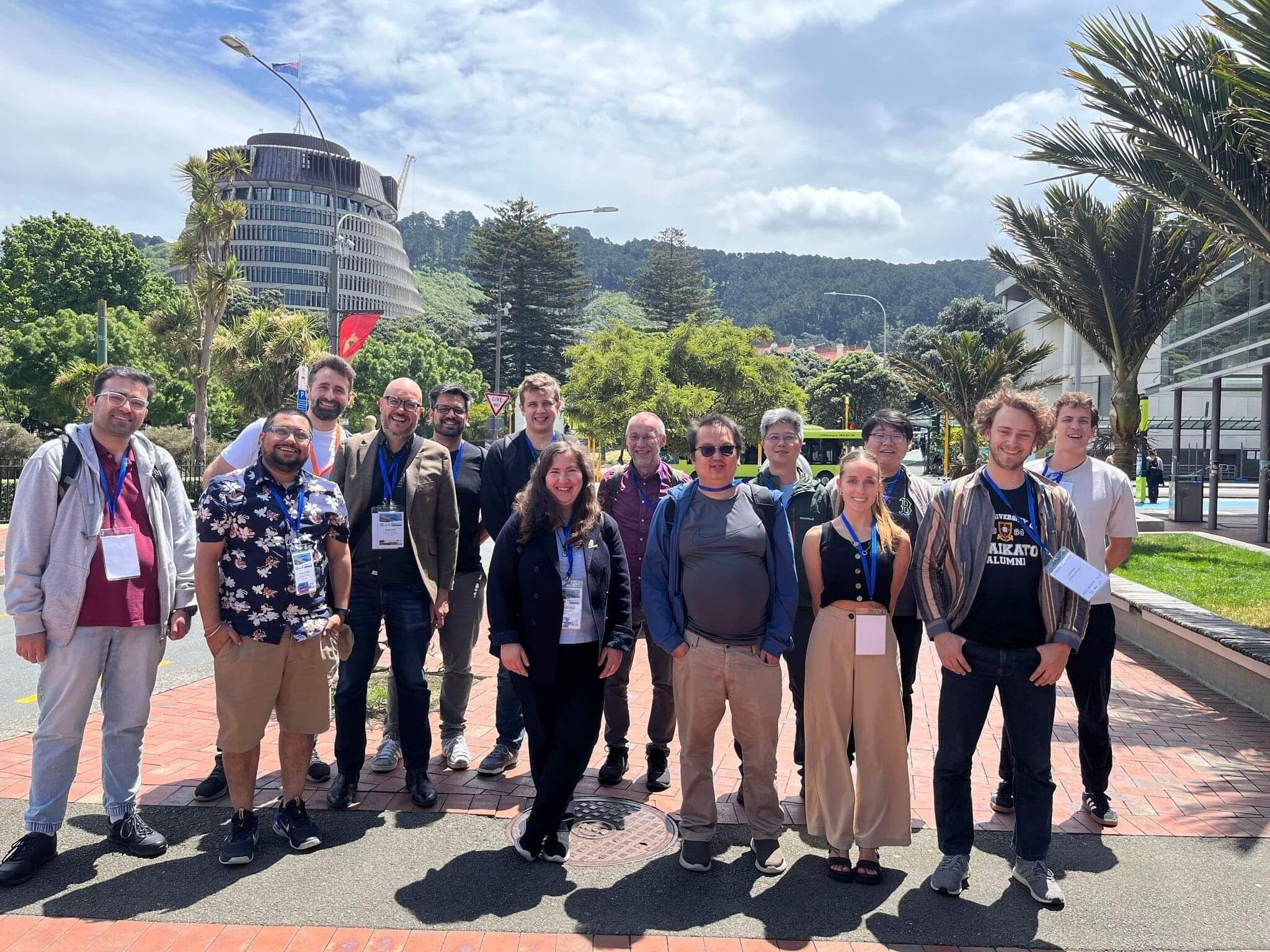
Masters of Science (MSc)
Kingsley Eng researched using Machine Learning to detect Harmful Algal Blooms (HABs) in the Waikato River, tackling challenges such as class imbalance, sparse monitoring, and site variability.
MSc student Dinushi Jayasighe researched diffusion models as an augmentation for aerial imagery classification.
MSc student Siddhant Debas researched using time-series foundational models for multivariate weather forecasting.
MSc student Munaz Jahan researched using large language models for anomaly detection on environmental data
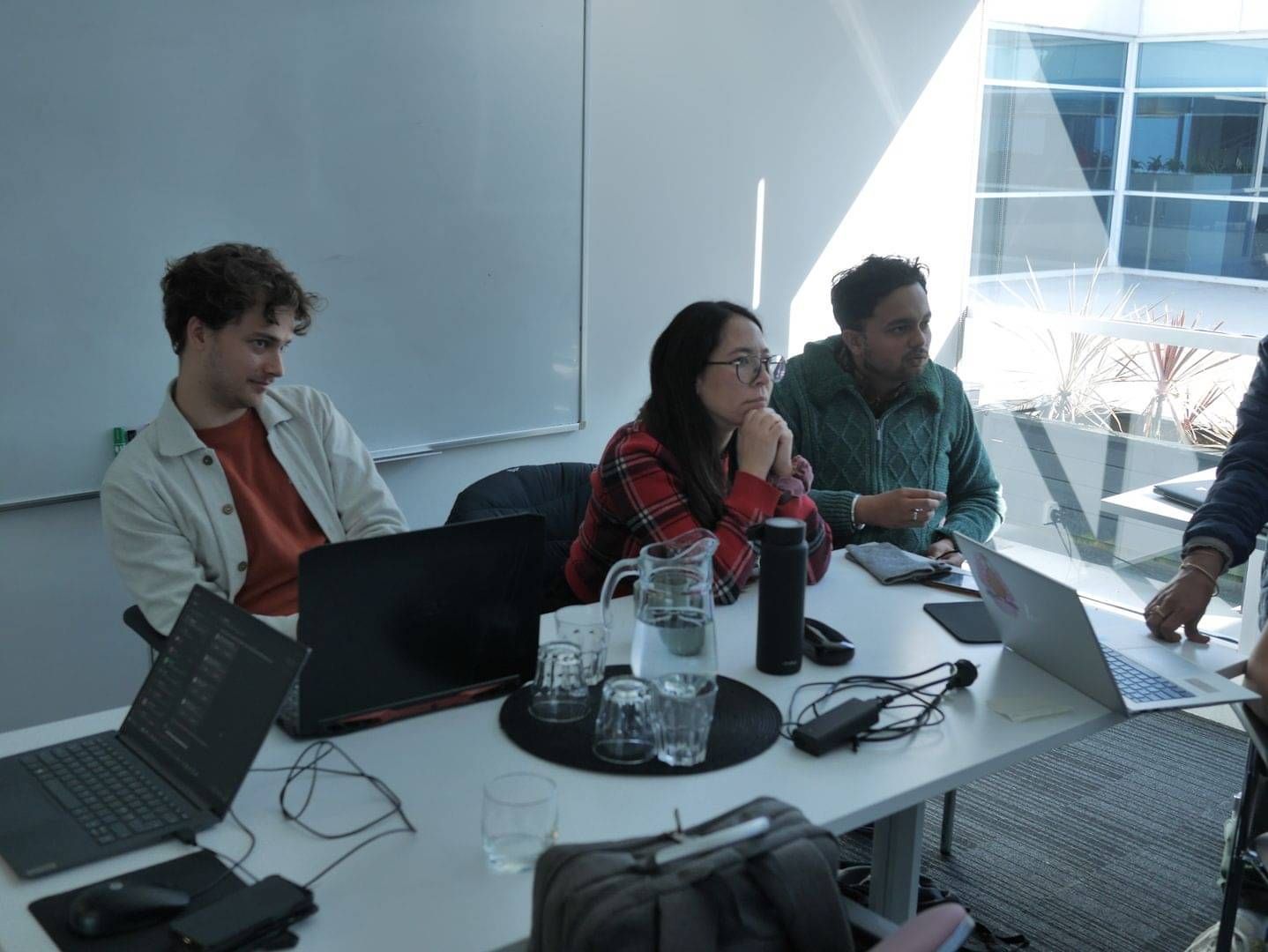
Doctor of Philosophy (PhD)
PhD student Tobias Milz is currently working on the prediction of temperature extremes for Antarctica.
PhD student Di Zhao is developing a heterogenous domain generalisation for pest biodiversity monitoring.
PhD student Jack Julian is investigating anomalies in AIS data for biosecurity using continual learning.
PhD student Yibin Sun has developed a prediction interval methodology (Adaptive Prediction Interval) for streaming regression tasks. In addition, he is working on an NZ Energy Price Dataset that includes geographical and meteorological information.
PhD student Justin Liu has developed a method for anomaly detection on streaming data.
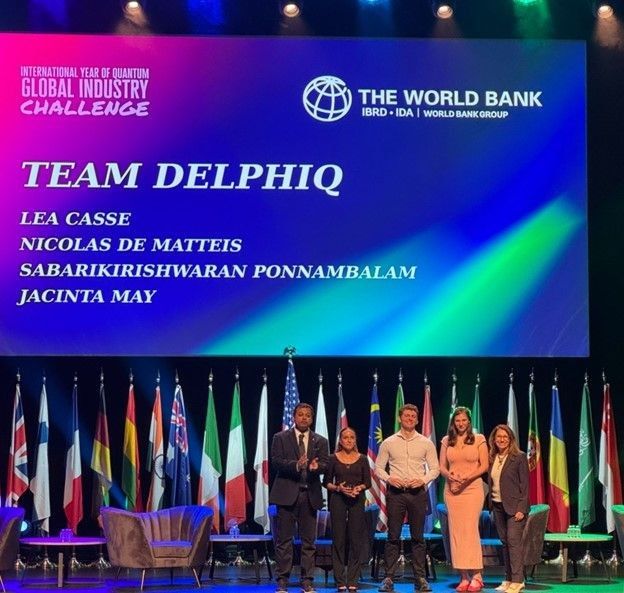
Doctor of Philosophy (PhD)
PhD student Nilesh Verma has developed automatic machine-learning solution for data stream classification and regression
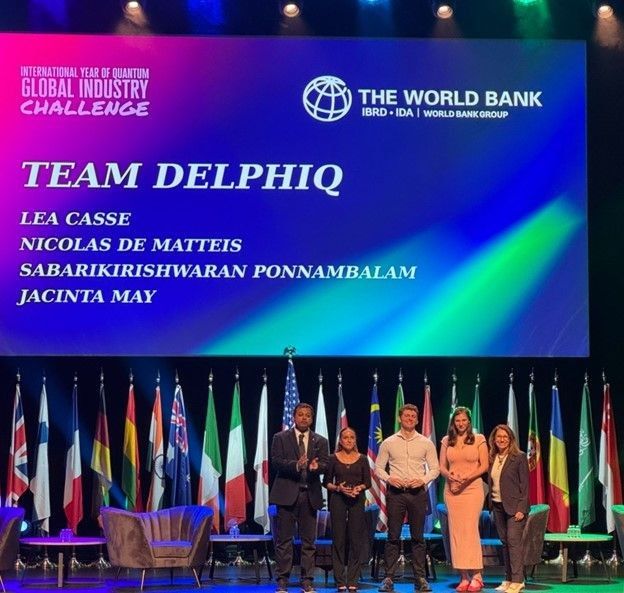
PhD student Lea Casse is doing research on how to apply quantum computing in machine learning applications.
PhD student Thomas Bailie is investigating extreme climate weather patterns using graph-based techniques
PhD student Rafia Malik is working on change detection based on remote sensing.
(In collaboration with ESRI) PhD student Simna Rassak is researching the impact of climate-change using multi-source data.
Postdoctoral Fellows
Postdoctoral fellow Nick Lim was working operationalizing the river stage prediction and forecasting a flood event.
Postdoctoral fellow Guilherme Weigert Cassales focuses on applied machine learning problems involving anomaly detection in data streams, time series forecasting, and model explainability.
Postdoctoral fellow Yaqian Zhang is investigating the memory structure in online and offline continual learning in terms of generalization bound, stability and plasticity.
Postdoctoral fellow Anany Dwivedi focusing on integrating explainability methods into the loss functions during the training phase of image classification models.
The University of Waikato
University of Canterbury
The University of Auckland
Victoria University of Wellington
MetService
Beca